

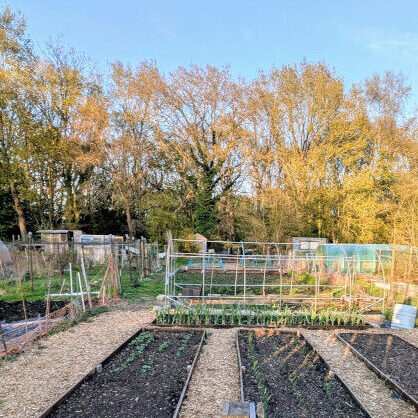
We are extremely fortunate to own our allotments and apart from the financial reward that this brings to our charity we believe that they are a valuable community asset, boosting health and wellbeing, and provides a sustainable local growing spaces. Not only are they a valuable part of our local heritage, but they play an important part in our future too.
What are the key Benefits of Having an Allotment?
- Physical and Mental Health
- Working a plot provides, as Thrive explains, a full-body workout (lifting, bending, walking) which can burn up to 250 calories per hour. It also offers a peaceful, therapeutic space to reduce stress and lower blood pressure.
- Fresh and Sustainable Food
- You can grow your own, high-quality, organic fruit and vegetables, reducing reliance on supermarkets and limiting plastic packaging.
- Cost Savings and Value
- While initial setup requires investment, The People’s Friend notes that it can lead to significant savings on food shopping, especially once you are established.
- Community and Social Connection
- Allotments are vibrant communities where you can share tips, swap surplus produce, and form friendships, helping to tackle loneliness.
- Environmental Impact
- Allotments create ‘green lungs’ in urban areas, improve air quality, support biodiversity by providing habitats for wildlife and pollinators, and aid in climate resilience.
- Education and Family
- They are excellent spaces for educating children about nutrition, sustainability, and where their food comes from.
Challenges to Consider
While highly rewarding, allotments demand a regular time commitment for maintenance, particularly weeding, and require physical labour to manage.
Ultimately, an allotment is a rewarding way to connect with nature and secure a healthier, more sustainable lifestyle.